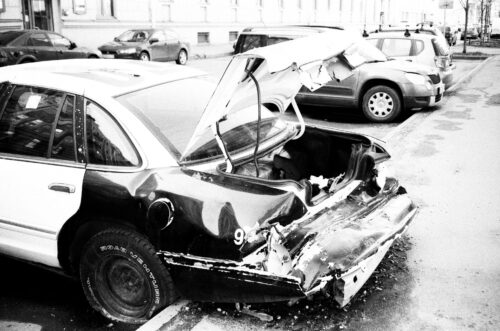
Rear-end accidents are one of the most common types of crashes in New Jersey, and the driver who hits another vehicle from behind is often blamed automatically. However, rear-end collisions are not always that simple. In some cases, the front driver may share fault or even be primarily responsible, depending on what caused the sudden stop or unsafe situation. If you were recently involved in a rear-end collision, continue reading and consult with a New Jersey auto accident lawyer to schedule your free consultation today.
Who is Usually Found Responsible for a Rear-End Collision?
In New Jersey, law enforcement and insurance companies frequently start with the presumption that the trailing vehicle is at fault in a rear-end collision. This is because New Jersey traffic laws require drivers to maintain a safe following distance and pay attention to the road in order to avoid collisions. Essentially, it is assumed that if a driver maintains a proper distance and pays attention, they should be able to stop safely, even if the car in front stops suddenly.
Because of this, liability often falls on the rear driver. While this presumption isn’t absolute, it makes it challenging for the trailing driver to dispute liability without compelling evidence.
Can the Front Driver Be Considered Liable for a Rear-End Accident in NJ?
Yes, although the rear driver is often presumed to be at fault, the front driver can be found partially or even primarily responsible for a rear-end collision in New Jersey. This typically occurs when the front driver engages in a negligent or reckless act that directly causes an unsafe situation and gives the trailing driver little to no chance to react.
Examples of front driver negligence that may shift liability include:
- Braking abruptly and unnecessarily: Slamming on the brakes without a legitimate reason can be considered negligent.
- Driving with non-functioning brake lights: If the front vehicle’s brake lights are broken, the trailing driver loses an important warning signal telling them to prepare to stop.
- Reckless lane changes: Illegally cutting off another vehicle and immediately braking can leave the trailing vehicle little to no time to avoid a collision.
- Operating a vehicle that has broken down without taking reasonable safety steps: Failure to properly warn other drivers of a stationary hazard, move the vehicle to the shoulder, or place warnings when possible can be considered negligent.
In these specific scenarios, the front driver’s actions may be deemed the cause of the accident, allowing the trailing driver to successfully dispute the initial liability presumption.
What Evidence is Important in a Rear-End Accident Case?
Whether you were operating the leading or trailing vehicle, it is crucial to understand the important evidence that may be relevant in determining liability in your case. Consider the following.
- Police accident report
- Photos/videos of the accident scene and damage
- Witness statements
- Dashcam or traffic camera footage
- Cell phone records
- Vehicle maintenance records
- Black box data
For more information and to secure skilled representation, contact an experienced auto accident attorney today.